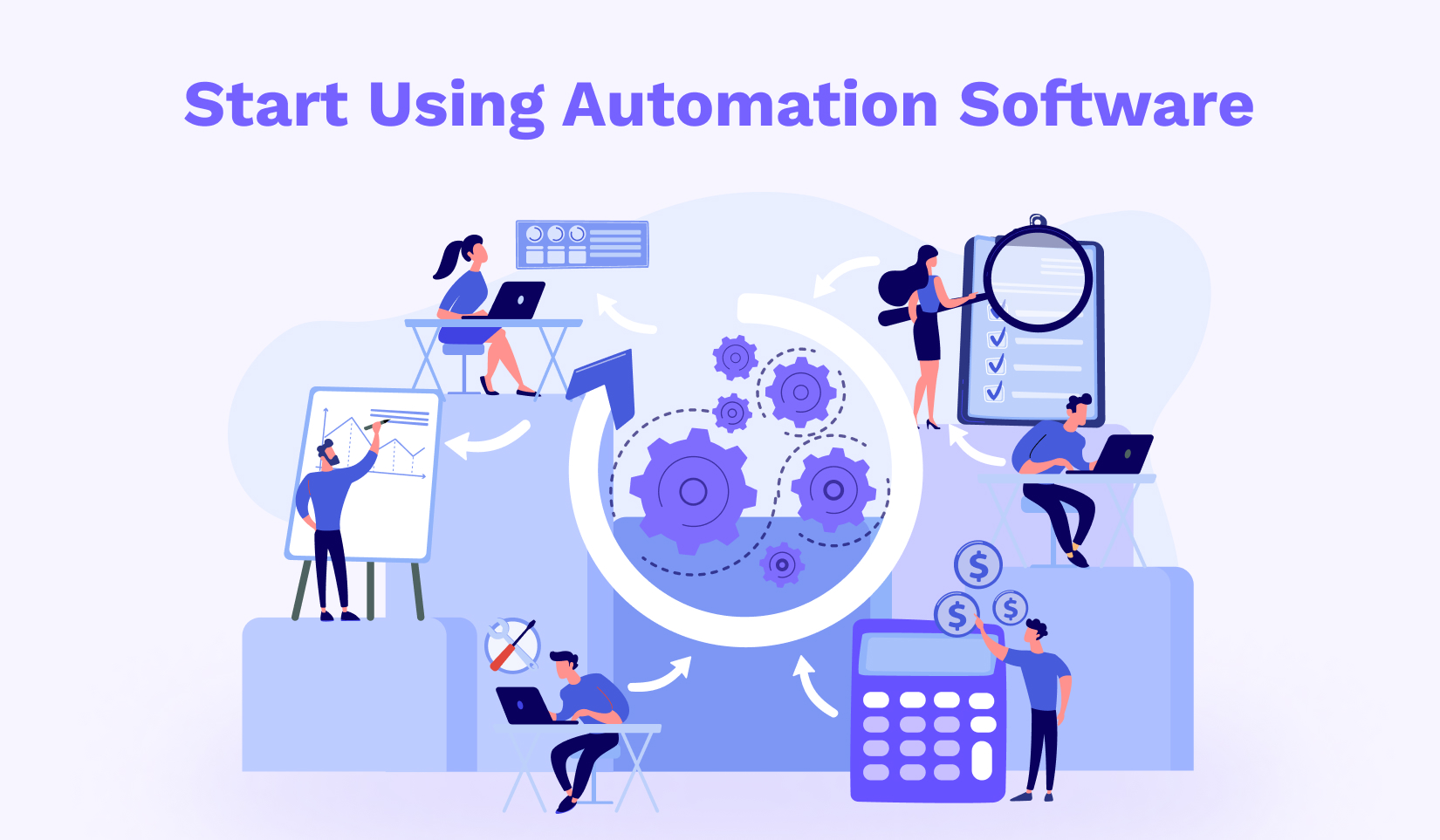
Running a company involves far more than selling products or serving customers. Behind every successful business is a long list of routine activities that have to happen correctly and on time. Employees need to be onboarded, salaries need to be managed, projects need monitoring, customers need support, equipment needs tracking, and managers need accurate information before making decisions.
When a company is small, these responsibilities can often be handled through spreadsheets, email conversations, shared documents, and personal reminders. That arrangement may work for a limited period. Once the organization starts adding employees, customers, projects, and departments, however, the same approach can become difficult to maintain.
The problem is not necessarily a lack of effort. People may be working hard while spending too much time coordinating work that could be organized more efficiently.
Bizcompass addresses this challenge through an all-in-one approach to business management. The platform brings together several operational areas, including employee management, payroll, project coordination, customer support, asset tracking, surveys, task management, dashboards, and workflow automation. By bringing these activities closer together, businesses can create a more organized way of handling everyday work.
Why Growing Businesses Need Better Processes
Growth changes the nature of business administration.
A manager who once knew every employee personally may eventually be responsible for several teams. An HR department that previously handled a handful of employees may suddenly need to manage hundreds of records. A project that was once handled by three people may involve several departments.
At that point, relying on memory becomes risky.
This is where business process automation can make a practical difference. Instead of depending on employees to remember every recurring step, a business can define how a process should move from beginning to end.
For example, an internal request might begin with an employee, move to a manager for approval, reach another department for action, and finally return to the requester as completed. Business automation software can help organize those stages so that employees do not have to repeatedly chase the next person involved.
Automation does not remove human responsibility. It simply reduces the amount of routine coordination surrounding that responsibility.
Making Employee Onboarding More Organized
An employee's first experience with a company can say a lot about how organized that company is.
Imagine joining a new organization and spending the first few days waiting for system access, submitting the same information to different people, or asking when your equipment will arrive. None of these issues is particularly difficult to solve, but together they create an unnecessary sense of confusion.
Employee onboarding software can provide a defined structure for the process. HR can establish what needs to happen before the employee starts, what should happen on the first day, and which activities need to be completed afterward.
Different departments can have their own responsibilities within the same onboarding process. IT may handle equipment and access, while managers take care of introductions and role-specific activities.
The wider employee lifecycle can also benefit from people management software. Keeping employee-related information and processes organized can make routine HR administration easier to manage.
Recognition is another part of employee management that deserves attention. Employee recognition software can help managers acknowledge achievements, contributions, and milestones in a more consistent way. Recognition does not always require expensive rewards. Sometimes, simply making good work visible can have a meaningful effect.
Creating a More Practical Payroll Routine
Payroll is one of those business activities where reliability matters more than appearance.
Employees expect their compensation information to be handled properly, while businesses need organized records and predictable procedures.
Payroll software can help companies structure payroll-related activities and maintain relevant information in a centralized environment. As the number of employees increases, payroll management software can become particularly useful for reducing repetitive administrative work.
A smaller company may not need an overly complicated system. Small business payroll software should be easy enough for a limited administrative team to manage while still providing the information needed for routine payroll operations.
When evaluating the best payroll software, companies should look beyond feature counts. Usability, reporting, accessibility, scalability, and the ability to fit existing processes are all important.
People may also search for payrol software using the shortened spelling, but the objective remains the same: finding a dependable digital solution for payroll administration.
Giving Project Teams Better Control Over Their Work
A project can be busy and still be poorly organized.
Employees may complete their individual assignments while the overall project continues to fall behind. This often happens because one task depends on another, and those dependencies are not visible to everyone.
Project management software can provide a shared environment where responsibilities, deadlines, and progress are easier to follow.
Project management tools can help teams divide large objectives into smaller assignments. Employees can see what they need to complete, while managers can monitor the bigger picture.
For managers responsible for several projects, a project tracking dashboard can be particularly useful. Instead of collecting updates manually, they can review project progress, upcoming deadlines, pending work, and areas that may require attention.
This does not eliminate every project problem. It does, however, make problems easier to identify before they become emergencies.
Improving the Way Customer Requests Are Handled
Customers rarely interact with only one part of a business.
A customer might speak with sales before becoming a client, contact support later, and then communicate with an account manager about another requirement. If those interactions are disconnected, employees may not have enough context when responding.
Customer support software can help organize service requests, follow-ups, and issue histories.
CRM management software can provide a broader picture of customer relationships, helping relevant teams understand previous conversations and current requirements.
Suppose a customer contacts support about a problem that was discussed with sales several months earlier. With organized customer information, the support employee may be able to understand the background without asking the customer to repeat everything.
That creates a better experience and saves time internally.
A well-organized customer process can also help management identify recurring complaints. If similar issues appear repeatedly, the business can investigate the underlying cause instead of resolving the same problem again and again.
Keeping Company Assets Visible
Company equipment can be surprisingly difficult to manage without proper records.
A business may have laptops assigned to employees, monitors stored in an office, mobile devices used by field workers, and equipment waiting for repair or reassignment.
As employees change roles or leave the company, asset records can quickly become outdated.
Asset management software can provide a central record of company resources and their current status.
For organizations with significant technology equipment, software for IT asset management can make it easier to track devices and assignments.
IT asset management software can answer practical questions such as who currently has a particular device, which equipment is available, and which assets may require attention.
This information can also prevent unnecessary purchasing. If a suitable laptop is already available within the organization, there may be no reason to buy another one.
Better visibility therefore supports both accountability and financial planning.
Turning Repetitive Activities Into Digital Workflows
Many business processes follow predictable patterns.
An employee submits a request. Someone checks it. A manager approves it. Another department performs the required action. The request is eventually closed.
Repeating this process manually can create delays, especially when people forget to send reminders or forward information.
Workflow automation software can turn these recurring sequences into defined workflows.
Workflow automation tools can help assign responsibilities, trigger notifications, update statuses, and keep the process moving according to predefined rules.
The usefulness of automation depends on how thoughtfully the workflow is designed. A company should first understand the process and then decide which parts genuinely need automation.
If a process contains unnecessary steps, automating those steps will not make the process better. It will simply make an inefficient process move faster.
That is why simplicity should remain an important part of automation planning.
Making Important Information Easier to Read
Business data is only useful when people can understand it.
Managers do not always need long reports filled with numbers. Often, they need a quick answer to a practical question: What is delayed? Which employees need attention? How many tasks are still open? Which projects are approaching their deadlines?
A custom dashboard can bring relevant information together in a more accessible format.
An HR dashboard can provide a focused view of employee-related information and HR activities. An HR analytics dashboard can help management examine workforce patterns and trends.
Project managers can use a project tracking dashboard to monitor deadlines, workload, task completion, and project health.
The advantage of customization is that different users can focus on different information. A business owner may need a broad overview, while a department manager may require detailed operational data.
A dashboard should make information easier to interpret, not simply provide another place to look at it.
Managing the Tasks That Do Not Fit Into Projects
Large projects receive formal attention, but employees also deal with dozens of smaller responsibilities.
A quick customer callback, a document review, an internal reminder, or a meeting preparation task may not belong to a major project. Yet forgetting any of them can still cause problems.
To do list software can help employees keep these smaller activities visible.
This type of tool can work alongside project management software. Major objectives can remain within formal project plans, while everyday actions can be recorded separately.
For employees who move between several responsibilities, that distinction can make daily planning more manageable.
Learning From Employee Feedback
Managers can observe processes, but they do not always experience them in the same way as employees.
A new onboarding system may appear efficient to management while being confusing to new hires. A new approval process may seem faster but create extra work for employees.
Survey tools can help businesses discover these differences.
Companies researching the best survey tools should consider the complete feedback process, including question creation, response collection, organization, and analysis.
Employee survey tools can be used to gather opinions about workplace processes, training, communication, onboarding, management, and internal systems.
For example, after introducing a new workflow, a business could ask employees whether the process is easier than before. If the majority identifies the same problem, management has useful evidence for making a change.
Feedback becomes valuable when it leads to action.
Why Too Many Separate Tools Can Become a Problem
Using different software products for different departments is common.
One system may handle payroll. Another may manage projects. HR may use another application, while IT maintains a separate asset database.
Each tool may work perfectly well on its own. The difficulty appears when employees need information from several systems at the same time.
They may have to enter the same information more than once, compare records manually, or switch between applications throughout the day.
An integrated platform can reduce some of this friction by bringing related functions into a common environment.
The objective is not necessarily to eliminate every specialized application. Instead, businesses can identify the processes where disconnected information is causing the greatest amount of unnecessary work.
How Businesses Should Approach Automation
Automation works best when it begins with a real business problem.
Before selecting software, a company should examine its daily operations. Where are employees spending time on repetitive work? Which approvals regularly become delayed? Which information is duplicated? Which reports take too long to prepare? Which processes depend heavily on one person's memory?
These questions can reveal where automation is most likely to help.
Ease of use should also be considered. Employees should not need extensive technical knowledge to complete routine activities.
Scalability is equally important. A platform that works for a small team should ideally remain useful as the business adds employees, customers, projects, and assets.
The best software is therefore not necessarily the one with the longest feature list. It is the one that fits the company's actual working style and solves meaningful problems.
Bizcompass and the Connected Business Approach
Bizcompass brings multiple operational requirements together within a broader business management environment.
Its approach covers employee onboarding, people management, payroll, project management, customer support, asset management, surveys, task organization, dashboards, and workflow automation.
Bizcompass softwares pvt ltd focuses on the idea that these functions can be more useful when they are connected.
Consider a new employee joining a project-based company. HR needs to complete onboarding, payroll needs accurate employee information, IT may need to assign equipment, and a project manager may need to add the employee to a team.
These activities are separate, but they are related.
Managing them within a connected business environment can make it easier to coordinate the different responsibilities involved.
Businesses can also introduce automation gradually. They may begin with one area that creates the most administrative pressure and expand later as employees become familiar with the platform.
What Good Automation Looks Like for Employees
Automation should not make employees feel as though they are constantly managing another system.
The best experience is often the opposite.
A request goes to the right person without manual forwarding. A reminder arrives automatically. A project status is visible without another meeting. HR knows which onboarding steps are unfinished. IT can find the current location of an asset.
These improvements may not sound dramatic individually.
Their value comes from repetition.
If a business saves only a few minutes on a process but performs that process hundreds of times, the total difference can become substantial.
Automation can also make responsibility clearer. When a workflow records who needs to act and what stage a request has reached, employees spend less time asking where something currently stands.
Conclusion
Business growth brings new opportunities, but it also increases the number of processes that need to be coordinated.
When employee management, payroll, projects, customer service, assets, surveys, tasks, and approvals are handled through disconnected methods, employees can spend too much of their working day simply keeping information organized.
Bizcompass offers an all-in-one approach to this challenge by combining business process automation with a range of everyday business functions.
The platform can help organizations create more consistent workflows, improve visibility, organize employee activities, manage projects, track assets, support customers, and make business information easier to access.
The goal is not to automate every decision or remove people from the process. The goal is to take repetitive coordination off their shoulders.
When routine work moves smoothly, employees can focus on solving problems, supporting customers, completing projects, sharing ideas, and making decisions. Managers can spend less time chasing information and more time improving the business.
For organizations looking to bring structure to increasingly complex operations, Bizcompass provides a connected way to approach business management. The real advantage of automation is not simply doing things faster. It is creating a workplace where important work can move forward without unnecessary friction.